

About Mental Illness
Mental illnesses are medical conditions that disrupt a person’s thinking, feeling, mood, ability to relate to others and daily functioning. Just as diabetes is a disorder of the pancreas, mental illnesses are medical conditions that often result in a diminished capacity for coping with the ordinary demands of life.
Serious mental illnesses include major depression, schizophrenia, bipolar disorder, obsessive compulsive disorder (OCD), panic disorder, post-traumatic stress disorder (PTSD), and borderline personality disorder. The good news about mental illness is that recovery is possible!
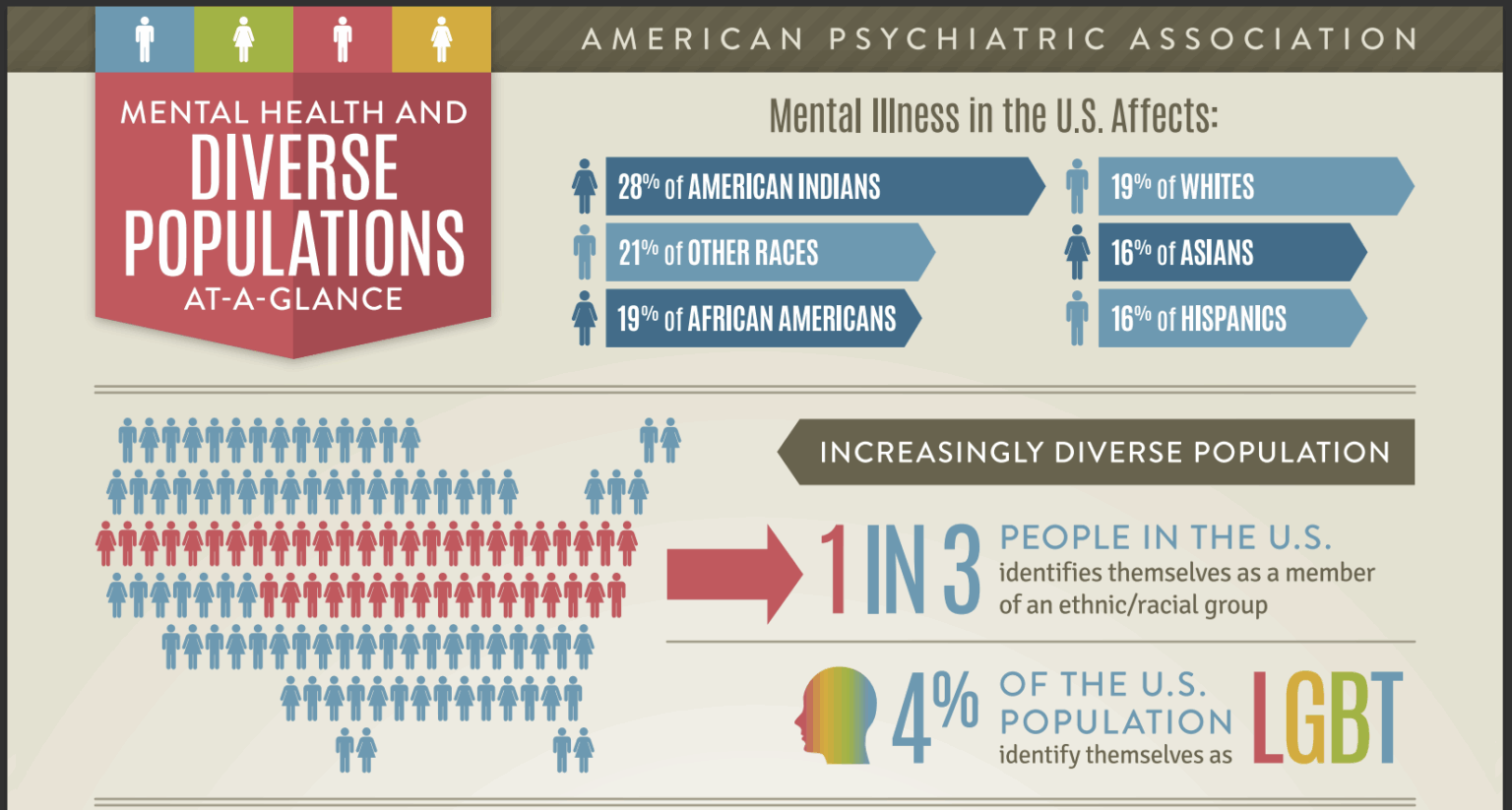
Mental illnesses can affect persons of any age, race, religion, or income. Mental illnesses are not the result of personal weakness, lack of character, or always due to a poor upbringing. Mental illnesses are treatable. Most people diagnosed with a serious mental illness can experience relief from their symptoms by actively participating in an individual treatment plan.
In addition to medication, treatments such as cognitive behavioral therapy, interpersonal therapy, peer support groups and other community services can also be components of a treatment plan and that assist with recovery. The availability of transportation, diet, exercise, sleep, friends and meaningful paid or volunteer activities contribute to overall health and wellness, including mental illness recovery.




Types of Mental Disorders
- Anosognosia
- Anxiety
- Attention-Deficit/Hyperactivity Disorder
- Autism Spectrum Disorders
- Bipolar Disorder
- Borderline Personality Disorder
- Depression
- Dissociative Disorders
- Dual Diagnosis
- Eating Disorders: Anorexia, Bulimia, Binge Eating
- Obsessive-Compulsive Disorder
- Panic Disorder
- Post-Traumatic Stress Disorder
- Schizoaffective Disorder
- Schizophrenia
- Seasonal Affective Disorder
- TardiveDyskinesia
- Tourette’s

Important facts about mental illness and recovery
Mental illnesses are serious medical illnesses.
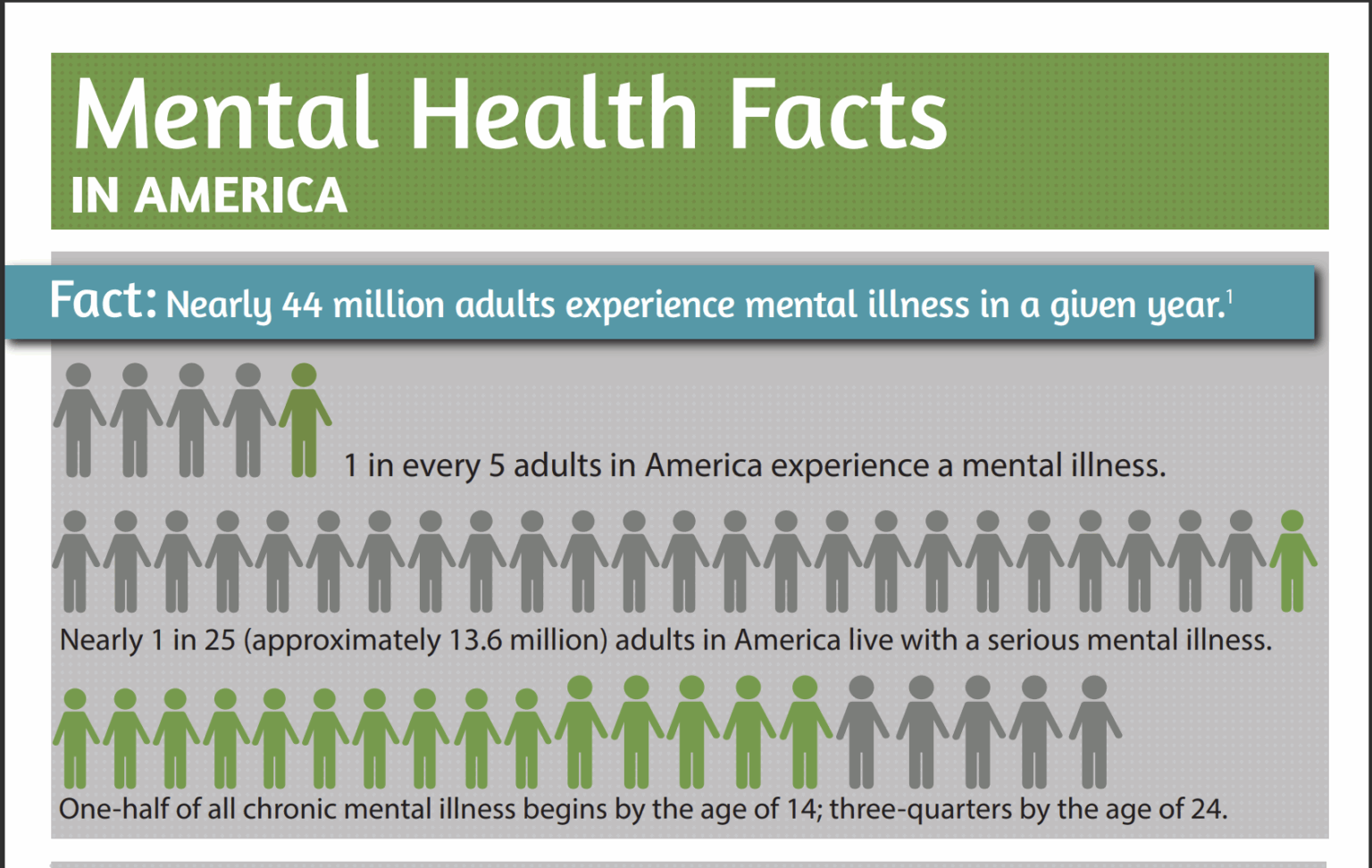
Mental illnesses are serious medical illnesses. They cannot be overcome through “will power” and are not related to a person’s “character” or intelligence. Mental illness falls along a continuum of severity. Even though mental illness is widespread in the population, the main burden of illness is concentrated in a much smaller proportion-about 6 percent, or 1 in 17 Americans-who live with a serious mental illness. The National Institute of Mental Health reports that one in four adults-approximately 57.7 million Americans-experience a mental health disorder in a given year.
10% suffer from mental illness
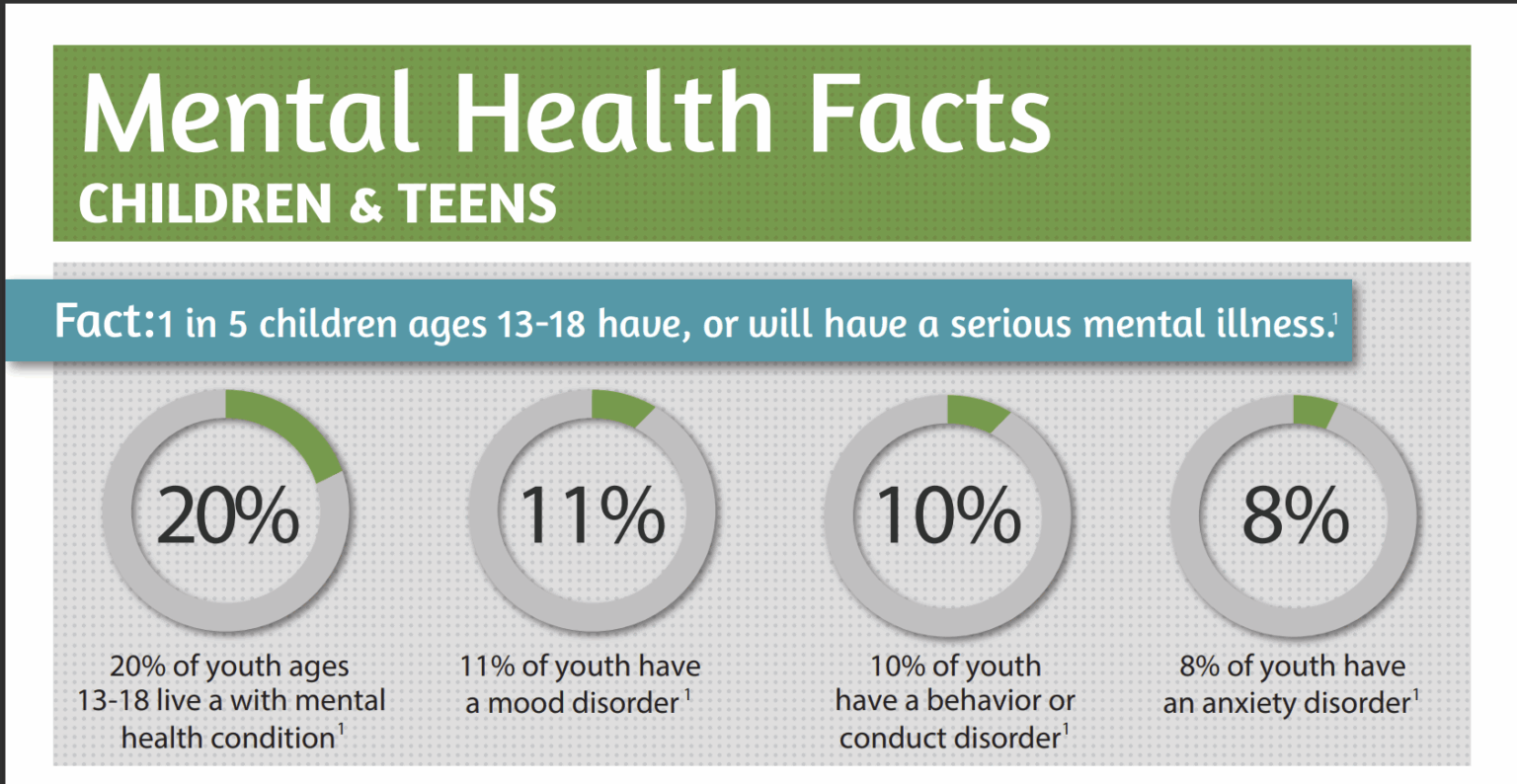
The U.S. Surgeon General reports that 10 percent of children and adolescents in the United States suffer from serious emotional and mental disorders that cause significant functional impairment in their day-to-day lives at home, in school and with peers.
10 leading causes of disability are mental disorders
The World Health Organization has reported that four of the 10 leading causes of disability in the US and other developed countries are mental disorders. By 2020, Major Depressive illness will be the leading cause of disability in the world for women and children.
Mental illness strikes in the prime of lives
Mental illness usually strikes individuals in the prime of their lives, often during adolescence and young adulthood. All ages are susceptible, but the young and the old are especially vulnerable.
Consequences of untreated mental illness are staggering
Without treatment the consequences of mental illness for the individual and society are staggering. Unnecessary disability, unemployment, substance abuse, homelessness, inappropriate incarceration, suicide and wasted lives; The economic cost of untreated mental illness is more than 100 billion dollars each year in the United States.
70%-90% of those treated have significant reduction of symptoms
The best treatments for serious mental illnesses today are highly effective; between 70 and 90 percent of individuals have significant reduction of symptoms and improved quality of life with a combination of pharmacological and psychosocial treatments and supports.
Mental illness can be managed to significantly reduce the illness impact
With appropriate effective medication and a wide range of services tailored to their needs, most people who live with serious mental illnesses can significantly reduce the impact of their illness and find a satisfying measure of achievement and independence. A key concept is to develop expertise in developing strategies to manage the illness process.
Early identification and treatment are vital
Early identification and treatment are vital. By ensuring access to the treatment and recovery supports that are proven effective, recovery is accelerated and the further harm related to the course of illness is minimized
Stigma erodes confidence that mental disorders are real
Stigma erodes confidence that mental disorders are real, treatable health conditions. We have allowed stigma and a now unwarranted sense of hopelessness to erect attitudinal, structural and financial barriers to effective treatment and recovery. It is time to take these barriers down.
Would You Like to Get
Involved?
Please reach out to see how you can help. Want to become a member? Join our membership – NAMI Southern Arizona Or, help NAMI thrive and donate today! Donate – NAMI Southern Arizona
© 2026 All Rights Reserved.